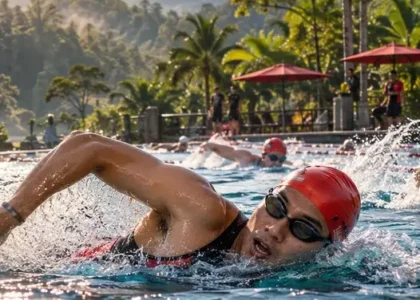
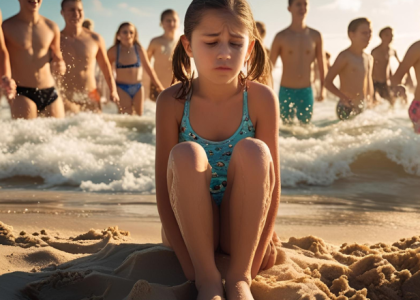
A child gripping the pool edge, refusing to let go, is not being difficult. They are telling you they do not yet feel safe. The right swimming lessons for kids Kajang families choose should meet that moment with patience, a clear plan, and a coach who knows how to turn caution into real confidence.
Swimming is more than an activity to fill a weekend. In a country surrounded by pools, beaches, water parks, and family holidays, it is a serious life skill. Children need more than the ability to splash, kick, or wear floaties. They need to understand water, control their breathing, move independently, and know what to do when they feel tired or uncomfortable.
Why swimming lessons for kids Kajang matter
Parents often ask, “At what age should my child start?” The better question is, “What is my child ready to learn next?” A child may begin building familiarity with water at a young age, while an older beginner may need more time to overcome fear before working on strokes. Both can progress well when instruction is patient and structured.
A good program does not rush a nervous child into deep water or treat every learner as if they have the same starting point. It develops comfort first, then safety habits, then movement skills. This sequence matters because confidence without control can be risky, while technique without confidence rarely lasts.
For children in Kajang, regular lessons also create consistency. One fun outing in a pool may help a child enjoy the water, but weekly instruction allows skills to build from one session to the next. They remember how to enter safely, recover their balance, float calmly, kick with purpose, and listen to instructions in the water.
Start with safety, not just strokes
Parents understandably want to see their child swimming across the pool. That milestone is exciting, but it should not be the only measure of success. A child who can move forward quickly but panics when water touches their face still has an important gap to close.
Early lessons should build practical survival capability. Depending on the child’s level, this may include safe pool entry and exit, holding the wall, controlled submersion, floating on the front and back, rolling to breathe, and moving toward safety. These are not dramatic skills. They are the quiet foundations that help children stay calmer if they lose footing or become tired.
Safety-focused teaching also means children learn to respect the pool environment. They practice waiting for a coach’s signal, avoiding unsafe running, understanding depth changes, and recognizing why supervision matters. These habits support parents long after class ends.
There is a trade-off to consider. A fast-paced class may appear impressive because children cover more activities in one session. Yet a child who is overwhelmed may copy movements without truly understanding them. A smaller, well-managed class often gives a coach more time to correct body position, breathing, and confidence at the right moment.
What structured progression looks like
Children learn swimming best when each skill has a purpose. Random games can make a class enjoyable, but progress becomes harder to measure if there is no path from beginner confidence to independent swimming.
A structured syllabus typically begins with water adaptation and body control. Children learn how their body behaves in water, how to put their face in comfortably, and how to float without fighting the water. From there, they develop kicking, streamlined positions, arm actions, and breathing coordination.
As skills improve, swimmers move toward the four competitive strokes: freestyle, backstroke, breaststroke, and butterfly. Not every child needs to become a competitive swimmer. However, learning correct foundations gives them options. They can swim for safety, fitness, recreation, school activities, or future competition without having to unlearn poor habits later.
Progress will not look identical for every child. One child may become fearless quickly but need work on listening and technique. Another may be cautious at first, then show excellent body control once they trust the coach. The goal is not to compare children in the same lane. The goal is to help each swimmer make measurable progress from their own starting point.
Small groups create better learning moments
Class size changes the quality of attention a child receives. In a large group, a coach may be occupied managing turns, equipment, and behavior while individual errors go unnoticed. Children who are shy can also disappear into the group, practicing the same mistake repeatedly.
Small-group swimming lessons give coaches time to see what is actually happening. Is the child lifting their head too high to breathe? Are they bending their knees while kicking? Do they understand the instruction but become anxious when leaving the wall? These details matter.
At FERRIS Sportfolio Swimming Academy, limited groups of five to six participants allow coaching to remain personal while children still benefit from learning alongside peers. They can observe, wait their turn, celebrate progress, and build social confidence without losing the individual guidance needed for safe development.
Personal coaching can be a better fit for a child with significant water fear, a specific technical goal, or a learning need that calls for greater focus. It is not automatically necessary for every beginner, but it can help when a child needs a quieter pace or more direct support.
How parents can choose the right class
Before enrolling, look beyond a class schedule or promotional photo. Ask how the program handles beginners who are afraid of water. Ask whether lessons follow a defined progression, how many children are in each group, and how coaches assess readiness for the next level.
Certified, experienced instruction is especially valuable because children need clear demonstrations and consistent corrections. A coach should be encouraging without making empty promises. “Good job” is helpful, but “Keep your chin lower and look at the pool floor while you blow bubbles” gives a child something they can improve immediately.
Facility comfort also matters. Parents should consider pool cleanliness, changing arrangements, accessibility, and whether the location makes regular attendance realistic. A well-designed program cannot produce its best results if lessons are missed often because the journey is too difficult for the family.
For Kajang families, a local facility such as Impian Golf Country Club can make consistent training easier to maintain. Regular practice is where confidence becomes dependable skill. A child who attends only when convenient may enjoy swimming, but a child who trains consistently is far more likely to become capable in the water.
What progress should feel like at home
The strongest sign of progress is not always a new badge or a longer distance. It may be the child who once cried before class but now walks to the pool deck calmly. It may be the child who proudly explains how to float on their back, or who asks to practice blowing bubbles during family swim time.
Parents can support this growth by staying positive and avoiding pressure. Do not compare siblings or push a child to perform for relatives after one lesson. Instead, ask simple questions: What did you practice today? What felt easier? What would you like to try next time?
Children also need time. Some will swim independently within a short period, while others need repeated exposure before their body relaxes in the water. The right program balances encouragement with standards. It celebrates each step while continuing to teach correct habits.
Give your child the freedom to swim
A child who learns to swim correctly gains more than a pool skill. They gain composure, discipline, physical confidence, and a safer relationship with water. Those qualities can follow them into school, sports, family travel, and everyday life.
When choosing swimming lessons for your child, look for patient coaching, small classes, clear progression, and a serious commitment to safety. Then give the process enough time to work. The moment your child lets go of the wall and moves forward with control is not just a proud poolside memory. It is the beginning of freedom to swim.