A private swimming coach Kajang families choose should do more than help a student cross the pool. The right coach builds calm decision-making in water, teaches correct movement from the beginning, and gives each swimmer a clear path from fear or uncertainty to real capability. For a child taking their first lesson, an adult who never learned, or a young swimmer ready to improve, personal coaching turns pool time into purposeful progress.
At FERRIS Sportfolio Swimming Academy, private lessons are designed around the swimmer in front of the coach. That means a pace that is challenging without becoming overwhelming, clear goals for every stage, and careful attention to the small habits that shape safe, confident swimming.
Why Choose a Private Swimming Coach in Kajang?
Swimming is a life skill, but it is not learned by simply spending more time in the water. A swimmer needs to understand how to breathe, float, kick, rotate, recover, and respond when they feel tired or uncomfortable. These skills develop differently for every person.
In a private lesson, the coach can identify what is holding a swimmer back. One child may need more time becoming comfortable with water on their face. Another may be brave in deep water but struggle to coordinate breathing with freestyle. An adult may have the strength to move forward but carry anxiety from a past experience. Personal coaching gives these needs the attention they deserve.
This focused setting also helps prevent poor technique from becoming a long-term habit. A rushed kick, a lifted head during breathing, or tense arms in backstroke may seem minor at first. Over time, those habits can make swimming harder, less efficient, and more tiring. Correcting them early creates a stronger foundation for every skill that follows.
Private coaching is not automatically better for every swimmer. Small-group lessons can be excellent for children who enjoy learning alongside peers and benefit from social encouragement. But one-to-one instruction is often the better fit when a student has a specific fear, needs faster technical correction, has a focused performance goal, or requires a learning pace that differs from the group.
What Personal Swimming Lessons Should Build
A good private lesson has a structure. Each session should feel supportive, but it should never be random. Swimmers gain confidence when they can see what they are working toward and recognize improvement from week to week.
Water Confidence Comes Before Speed
For beginners, confidence is not about forcing a child or adult into deep water before they are ready. It starts with controlled exposure: entering and exiting safely, holding the pool edge, blowing bubbles, putting the face in the water, floating with support, and learning how the body responds in a horizontal position.
A patient coach gives the swimmer time to practice each skill successfully. The goal is not to remove every moment of uncertainty. The goal is to teach a swimmer how to stay calm and use the right response when they encounter it.
Parents often see a major change when a child stops clinging to the wall, places their face in the water willingly, or begins floating with a relaxed body. These are not small milestones. They are the beginning of independence in the pool.
Survival Skills Need Repetition
Swimming lessons should include practical safety skills, not only stroke practice. Depending on the swimmer’s level, this may include safe entry and exit, turning back toward the wall, floating or treading water, changing direction, and recovering after an unexpected splash or loss of balance.
No lesson can remove all water risk. Children still require active adult supervision around any pool, even after they can swim. However, survival capability gives swimmers more options in the water and helps families build safer habits together.
Private sessions allow the coach to repeat these skills until the swimmer can perform them with less prompting. Repetition matters because water safety should become a response, not a skill remembered only on lesson day.
Correct Technique Creates Lasting Progress
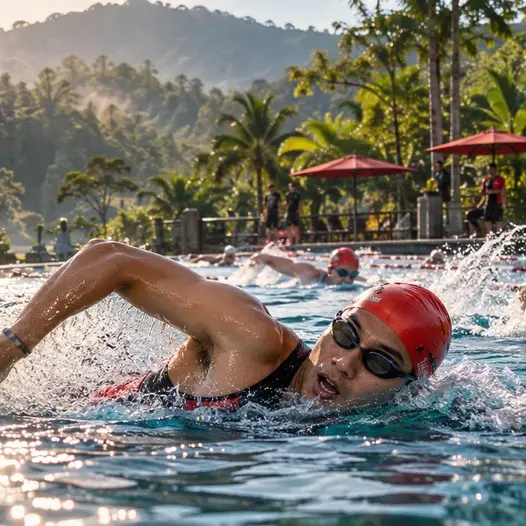
Once a swimmer is comfortable moving through the water, technique becomes the focus. The four competitive strokes – freestyle, backstroke, breaststroke, and butterfly – each require timing, body position, and coordination. Learning them correctly takes time.
Freestyle may begin with a balanced kick and side breathing. Backstroke requires body alignment and relaxed arm recovery. Breaststroke asks the swimmer to coordinate a very specific pull, breath, kick, and glide. Butterfly is usually introduced only after a swimmer has enough body control and rhythm to learn it safely.
A personal coach can break each stroke into manageable pieces, then connect those pieces as the swimmer improves. This approach helps a beginner avoid frustration and gives a more experienced swimmer specific corrections rather than vague instructions to “swim faster.”
Who Benefits Most From One-to-One Coaching?
Private swimming lessons in Kajang can serve many different goals. Babies and very young children may benefit from parent-supported water familiarization, while school-age children often need a confidence-building plan that develops into independent swimming. Teenagers can use personal coaching to strengthen all four strokes, improve endurance, or prepare for school and recreational activities.
Adults are equally welcome. Many adults delay learning because they feel embarrassed about being a beginner. A private setting removes much of that pressure. The coach can start at the swimmer’s actual level, whether that means learning to float, overcoming fear of submersion, improving fitness, or refining a stroke that has never felt comfortable.
Personal lessons can also be a valuable option for swimmers with special learning or sensory needs. The best approach depends on the individual. Some students respond well to predictable routines and smaller steps, while others need more movement, visual demonstration, or extra time to process instructions. Families should share relevant needs before enrollment so the coach can recommend the most suitable format and expectations.
What to Look for in a Private Swimming Coach Kajang Families Trust
Choosing a coach should be about more than convenience. A nearby pool matters, but the quality of instruction matters more. Look for a coach who can explain how lessons progress, not simply promise quick results.
A strong program uses a clear syllabus so swimmers can build skills in order. It also provides a safe, clean, comfortable training environment and keeps communication open with parents or adult students. You should know what your swimmer is practicing, why that skill matters, and what comes next.
Certified coaching is another essential consideration. Swimming instruction involves safety judgment as well as stroke knowledge. A qualified coach knows how to adapt tasks, monitor fatigue, maintain an appropriate level of challenge, and teach with patience without lowering standards.
Ask practical questions before starting: Is the lesson truly personal or shared with other swimmers? How long is each session? What safety and survival skills are included? How is progress assessed? Is there a pathway from beginner fundamentals to four-stroke proficiency? Clear answers show that the program values measurable development.
Making Private Lessons Work Between Sessions
Progress often depends on consistency more than intensity. A single excellent lesson can introduce a skill, but regular practice helps the swimmer retain it. If self-training access is available, use it with a clear purpose from the coach rather than trying random drills found online.
Parents can support children by using encouraging language. Ask what they practiced, celebrate effort, and avoid comparing progress with siblings or friends. Some children learn to breathe comfortably within a few lessons; others need more time. Confidence grows faster when the swimmer feels safe to try again.
Adult learners should approach each session with the same patience. Swimming asks the body to move in ways that may feel unfamiliar at first. Consistent attendance, honest communication about fears or discomfort, and a willingness to repeat fundamentals can produce meaningful change.
The best time to begin is not when a child is suddenly expected to manage a deep pool or when an adult feels they should already know how to swim. Start with a coach who teaches with purpose, and let each small success become the confidence to take the next stroke.