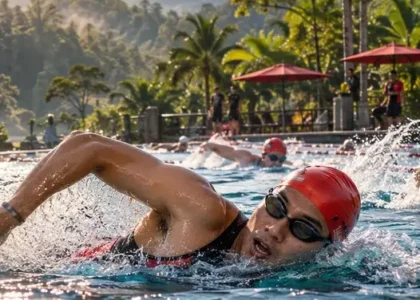
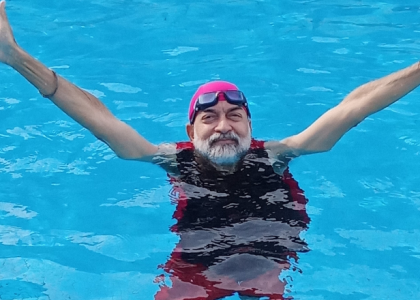
A child who will not step past the first pool stair is not “behind.” An adult who needs extra time to process an instruction is not failing. In special needs swimming lessons, progress begins when coaching meets the swimmer where they are – with patience, clear structure, and a serious commitment to water safety.
Swimming can offer something deeply practical: more confidence around water, stronger body awareness, and skills that may be needed for life. But these outcomes do not come from pushing a swimmer to copy everyone else. They come from a training environment that recognizes individual sensory, physical, communication, and learning needs while still setting meaningful goals.
Why special needs swimming lessons need structure
Every swimmer arrives with a different starting point. Some may be fearful of water after a difficult experience. Some may find splashing, echoes, crowds, or unexpected touch overwhelming. Others may have challenges with balance, coordination, attention, mobility, or following multi-step directions. A one-size-fits-all class can turn these differences into barriers.
A structured lesson gives the swimmer a predictable path. The coach can begin with a familiar routine, use the same simple cues consistently, and introduce one skill at a time. This helps reduce uncertainty. When a swimmer knows what happens first, next, and last, the pool can feel more manageable.
Structure does not mean rigidity. A good coach adjusts the pace when a swimmer is tired, anxious, overstimulated, or ready to move faster. The standard remains high, but the route to that standard is personal. The goal is not to rush a child into a stroke. The goal is to develop safe, lasting ability.
Start with water confidence and survival skills
Before freestyle or breaststroke, a swimmer needs a calm relationship with water. For some participants, this may begin with sitting on the pool edge, placing hands in the water, or practicing a supported entry. These small actions matter because they establish trust.
Early lessons often focus on breathing, face wetting, floating, turning, kicking, and moving to a safe wall or pool exit. A swimmer may need repeated practice with each skill before it becomes comfortable. Repetition is not wasted time. It is how confidence becomes reliable action.
Safety skills should be taught without creating fear. The coach can show the swimmer how to hold the wall, roll onto the back, recover balance, and respond after entering the water. These are purposeful skills, especially for families who spend time near pools, beaches, resorts, or water parks.
For swimmers who are ready, lessons can progress toward independent movement and the four competitive strokes. That progression should remain earned, not assumed. A swimmer who has a secure float, controlled breathing, and confidence traveling through the water has a stronger foundation for technique later.
What measurable progress can look like
Progress does not always look like completing a full lap. In the early stages, it may mean entering the water without tears, accepting water on the face, waiting calmly for a turn, or following a two-step instruction. These are real achievements that support future swimming skills.
As confidence grows, goals can become more physical: floating independently for several seconds, kicking with a board, putting the face in during bubbles, gliding to the wall, or swimming a short distance with less support. Tracking these changes helps parents see the purpose behind each lesson.
Small classes create room for attention
Large classes can be difficult for any beginner. For a swimmer with additional needs, too much noise, waiting, movement, or unfamiliar interaction may make learning harder. Smaller groups give the coach more time to observe each swimmer’s body position, comfort level, and response to instructions.
This does not mean every swimmer requires one-on-one coaching. Some children do well in a small group once they have settled into the routine. Watching peers can motivate them, and practicing turn-taking can strengthen social confidence. The right format depends on the swimmer’s needs, their readiness for group activity, and the specific goals of the family.
Personal coaching may be a better starting point when a swimmer needs close supervision, has significant water fear, uses a communication method that requires more individual attention, or benefits from a quieter setting. A small group may be suitable when the swimmer can engage safely with a coach and peers for the lesson duration.
At FERRIS Sportfolio Swimming Academy, limited class sizes and structured progression help coaches make practical adjustments while keeping lessons focused on safety, technique, and visible improvement.
Communication between parent and coach matters
A parent knows what helps their child feel secure. Before lessons begin, share useful information with the coach: preferred communication style, sensory triggers, medical considerations, physical support needs, previous pool experiences, and the approaches that work well at school or home.
It is also helpful to discuss goals honestly. One family may prioritize water safety before an upcoming holiday. Another may want their teenager to build fitness and independence. A child may be working toward joining siblings in the pool without distress. Clear goals allow the coach to plan appropriately.
The coach should also communicate back in simple, specific terms. “Your child did well” is encouraging, but “Your child placed their face in the water three times and returned to the wall independently” gives a family something concrete to celebrate and reinforce.
Consistency outside class can support learning, though it should never become pressure. If the coach recommends practicing simple pool routines during supervised family swim time, follow the same cues used in lessons. Avoid introducing too many new instructions at once. Familiar language helps skills transfer.
Choosing the right special needs swim program
When comparing special needs swim lessons, families should look beyond whether a program simply says it is inclusive. Ask how the coach assesses a new swimmer, how group size is managed, and how safety is handled when a participant needs extra support.
A quality program should be comfortable explaining its lesson progression. It should have certified, patient instructors who can break skills into manageable steps and adjust instruction without lowering expectations. The pool environment also matters. Clean facilities, safe entry points, an appropriate water depth, and a calm teaching space can make a major difference.
Parents should be cautious of promises that sound too fast or too absolute. Swimming development is individual. Some swimmers make a major breakthrough in a few sessions; others need a longer period of trust-building before they are ready to put their face in the water. Both paths can lead to meaningful results when lessons remain consistent.
It is also reasonable to ask how the program handles difficult moments. A swimmer may refuse an activity, become upset, or need a break. The best response is usually calm redirection, not force. At the same time, a coach should know when to encourage one more manageable attempt. That balance is where patient instruction becomes skilled instruction.
Building confidence beyond the pool
The benefits of swimming can extend beyond water. Learning to listen to cues, manage frustration, repeat a skill, and recognize personal progress can strengthen confidence in other settings too. For many swimmers, the pool becomes a place where effort produces a result they can feel in their own body.
Families can support that feeling by celebrating specific effort rather than comparing a swimmer with siblings or classmates. Praise the brave entry, the calm breathing, the extra second of floating, or the decision to try again. Those moments build a stronger relationship with learning.
Swimming is a life skill, but it is also a journey toward greater freedom. Give the swimmer enough time, the right support, and a coach who trains with purpose. The next small step in the water may become a much bigger step in confidence.